

1. Introduction to Glucose Test Strips
Glucose test strips are thin, disposable pieces of material that contain chemicals and sensors designed to measure the concentration of glucose in blood. When a drop of blood is placed on the strip, a chemical reaction occurs, and the result is read by a glucose meter. These strips are vital for daily diabetes management, helping users control diet, exercise, and medication.

2. Key Components of Glucose Test Strips
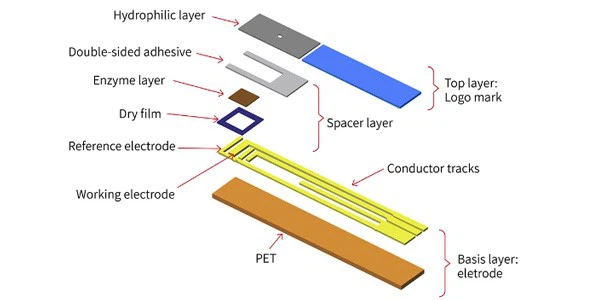
The structure of a glucose test strip is more complex than it appears. Each layer plays a critical role in ensuring accuracy and reliability. The main components include:
Base Layer (Substrate): Usually made from PET (polyethylene terephthalate), providing stability and durability.
Conductive Layer: Printed with carbon or gold electrodes to carry the signal.
Reagent Layer: Contains enzymes like glucose oxidase or glucose dehydrogenase, which react with blood glucose.
Spacer Layer: Controls the capillary flow of blood across the strip.
Protective Layer: Shields the strip from humidity and contamination.
Contact Pads: Ensure proper connection with the glucose meter.

3. Raw Materials Used
The manufacturing process starts with carefully selected raw materials:
Polyester films for durability and chemical resistance.
Carbon inks or gold electrodes for conductivity.
Special adhesives for bonding layers.
Enzymes such as glucose oxidase, essential for chemical reaction.
Protective coatings to increase shelf life.
4. Manufacturing Process of Glucose Test Strips
The production of glucose strips requires precision equipment and strict quality standards. The process can be divided into several key steps:
4.1 Screen Printing of Electrodes
Conductive inks (carbon, silver, or gold) are screen-printed onto polyester film.
This step forms the working, reference, and counter electrodes.
Automatic CCD alignment ensures micron-level accuracy.
4.2 Application of Reagent Layer
Enzyme solution (e.g., glucose oxidase with mediators) is coated or dispensed onto the electrode area.
This layer is carefully dried under controlled temperature and humidity.
4.3 Assembly of Layers
Multiple layers (substrate, spacer, reagent, cover) are laminated together.
Precision die-cutting or laser cutting shapes the strips into uniform sizes.
4.4 Cutting into Individual Strips
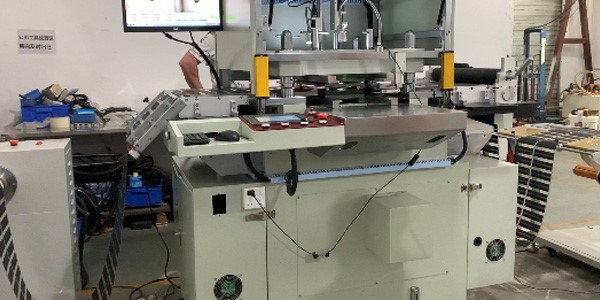
The roll-to-roll laminated sheets are slit and cut into individual test strips.
CCD vision sheeting machines ensure consistent dimensions.
4.5 Packaging
Strips are packaged in vials with desiccants to protect from moisture.
Each vial is labeled with batch numbers for traceability.

5. Quality Control and Testing
Ensuring strip accuracy is critical for patient safety. Common quality checks include:
Electrochemical Testing: Measures response accuracy with control solutions.
Shelf Life Testing: Simulates aging to check enzyme stability.
Humidity Resistance Testing: Ensures strips perform in different climates.
Batch Consistency: Random sampling verifies uniformity.
Only strips that pass strict quality criteria are released to the market.
6. Automation in Strip Manufacturing
Modern glucose strip production has shifted from manual methods to automation with CCD alignment and roll-to-roll processing. Benefits include:
Higher throughput for mass production.
Reduced human error with vision alignment.
Improved consistency in printing and cutting.
Scalability to meet global demand.
7. Applications of Glucose Test Strips
While the primary use is for blood glucose monitoring, advancements in biosensor technology expand their applications to:
Urine glucose testing
Ketone monitoring
Cholesterol testing
Lactate measurement in sports medicine
This versatility makes the technology behind glucose strips valuable across healthcare and wellness sectors.
8. Global Market and Future Trends
The glucose test strip market is expected to grow due to:
Rising diabetes cases worldwide.
Increased awareness of preventive healthcare.
Technological advances in biosensors and wearable devices.
Future trends include:
Integration with smartphones and digital apps.
Development of non-invasive sensors.
Eco-friendly manufacturing for sustainable healthcare products.